
- Nalipur, Balichandrapur, Odisha 754205
- Mon - Sun 8.00 - 18.00.


.jpg)
Cataract surgery is a procedure to remove the clouded natural lens of the eye and replace it with a clear artificial intraocular lens, restoring sharper and brighter vision. It is usually done as a day‑care, painless surgery with a quick recovery, allowing most people to return to their normal activities within a short time.
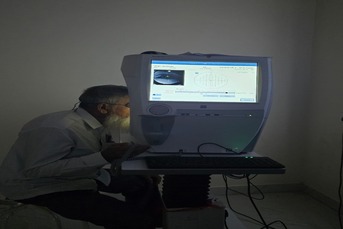
Glaucoma treatment focuses on lowering intraocular pressure to protect the optic nerve and slow or prevent further vision loss. Depending on the type and stage, management may include medicated eye drops, laser procedures such as trabeculoplasty or iridotomy, or filtration surgeries to improve the drainage of eye fluid.
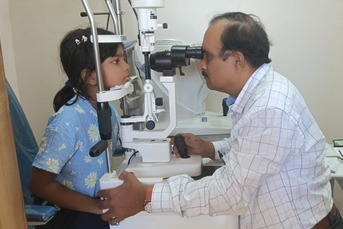
Pediatric ophthalmology provides specialised eye care for infants, children and teenagers, addressing problems such as squint, lazy eye, refractive errors and congenital cataracts. Early evaluation and child‑friendly testing help detect issues at a young age so that treatment like glasses, patching or surgery can support proper visual development.
.jpg)
Cornea services diagnose and treat diseases of the transparent front surface of the eye, including keratoconus, infections, scars and degenerations. Management ranges from medical therapy and customised contact lenses to partial or full thickness corneal transplantation when the cornea becomes severely irregular or opaque.
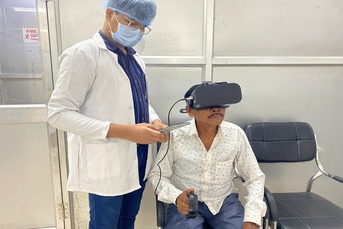
Neuro‑ophthalmology deals with visual symptoms caused by conditions affecting the brain, optic nerve and eye‑movement pathways, such as optic neuritis, tumours and strokes. Evaluation often combines detailed eye examination with imaging and neurological tests to determine the cause of sudden vision loss, double vision or visual field defects.
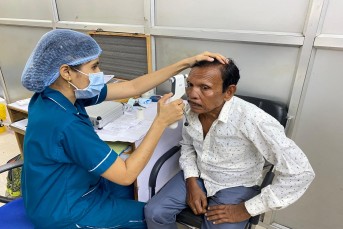
Dry eye treatment aims to relieve burning, grittiness and fluctuating vision caused by poor tear quantity or quality. Therapy may include lubricating drops and gels, medications to reduce inflammation of the tear glands, lifestyle adjustments and procedures such as punctal plugs to conserve natural tears on the eye surface.